
Advertisements
So I fired up Manor Lords for the first time last month, and man, I thought building a medieval settlement would be chill. Wrong! Within like 20 minutes, my villagers were starving, my timber stores were empty, and somehow I’d managed to anger the neighboring lord. If you’ve picked up this city-building strategy game and felt completely overwhelmed, trust me—you’re not alone.
This Manor Lords guide is gonna walk you through the stuff I wish someone had told me before I wasted three hours on a doomed settlement. We’re talking resource management, building placement, and how to actually keep your people from revolting or starving to death.
Getting Your Settlement Started (Without Everything Catching Fire)

First things first—location matters way more than I initially thought. When you’re placing that first burgage plot, don’t just slap it down anywhere. I made the mistake of building too far from my storehouse, and watching my villagers trudge across half the map to grab supplies was painful.
Your starting buildings should be close together. Storehouse, burgage plots, and a logging camp need to be within reasonable distance of each other. I learned this the hard way when winter hit and my people were still hauling firewood from the other side of the map.
Here’s what worked for me: place your Manor first (obviously), then your storehouse nearby, followed by 2-3 burgage plots within a stone’s throw. This creates an efficient little hub where your families can actually, you know, survive.
Resource Management That Actually Makes Sense
Okay, so timber and food are your bread and butter—pun intended. The game doesn’t hold your hand with this stuff, which I found out when my entire population nearly starved in Year 2 because I prioritized building over farming.
Set up a hunting camp early! Like, really early. Before you get fancy with churches or marketplaces, make sure you’ve got consistent food production. I usually assign one family to hunting right off the bat, then add a forager’s hut when I hit around 15-20 population.
For timber, don’t go crazy cutting down every tree in sight. I did that once and ended up with zero fuel for winter. The Manor Lords forestry system is actually pretty smart—you can designate areas for replanting, which keeps your timber supply sustainable.
Regional wealth is another thing that confused me initially. You earn it through taxation and exporting goods, but spending it wisely is key. Don’t blow it all on mercenaries unless you’re actively being invaded (been there, regretted that).
Burgage Plot Development and Upgrades
This is where Manor Lords gets really interesting. Each burgage plot can be upgraded with extensions that provide different resources or services. My first few games, I just randomly clicked upgrades without thinking, which resulted in three blacksmiths and zero food production. Classic mistake.
Here’s my current strategy: assign vegetable gardens or chicken coops to at least half your burgage plots early on. These backyard extensions provide supplementary food that keeps your people fed between hunting seasons. The other plots can be specialized—maybe a workshop for tools or a cobbler for footwear.
Side note: families need space to actually build these extensions, so don’t cram burgage plots too close together. I spent an embarrassing amount of time wondering why my upgrades weren’t appearing before realizing I’d built everything like a medieval sardine can.
Video Walkthrough That Saved My Bacon
Sometimes reading ain’t enough, right? This YouTube tutorial by PartyElite breaks down the early game strategy way better than I could explain in text. He covers starting build orders, seasonal preparation, and how to set up trade routes without tanking your economy. Seriously worth the watch if you’re still struggling after reading this.
Combat Tips from Someone Who Lost Way Too Many Battles
Combat in Manor Lords isn’t super complicated, but positioning matters a ton. My first military encounter was a disaster because I just clicked “attack” and hoped for the best. Spoiler alert: hope isn’t a strategy.
Militia units are formed from your working population, which means pulling them for battle hurts your economy. Plan accordingly! I try to build up enough food reserves before going into combat so my settlement doesn’t collapse while everyone’s off fighting.
Also, archers are your best friend early game. Put them on high ground if possible, and let them soften up enemies before sending in your infantry. Seems obvious now, but younger me definitely sent peasants with pitchforks charging headfirst into armored knights.
Your Manor Awaits (And So Do More Tips!)
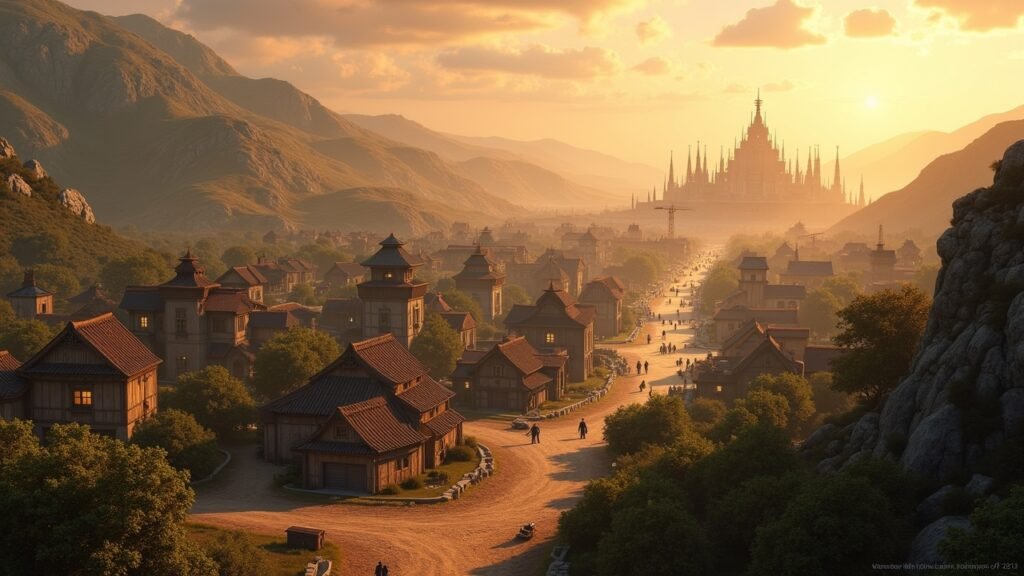
Building a successful medieval settlement takes patience and probably a few failed attempts. Don’t beat yourself up if your first village crumbles—mine definitely did, multiple times actually. The beauty of Manor Lords is figuring out the intricate systems and watching your town grow from a handful of families into a thriving community.
Experiment with different layouts, try various economic focuses, and don’t be afraid to start over when things go sideways. Every playthrough teaches you something new about crop rotation, trade efficiency, or military tactics.
Want more gaming guides and tips that’ll save you from noob mistakes? Head over to Glitch Lane where we break down the trickiest games in plain English. No corporate speak, just real talk from gamers who’ve been there and messed up first so you don’t have to!