Advertisements
Look, I’m just gonna be real with you – six months ago, my Valorant aim was so bad that my teammates probably thought I was playing with a trackpad! But here’s the kicker: according to recent player stats, nearly 60% of Valorant players sit in Silver rank or below, and most of us share the same struggle. We can’t hit our shots when it matters. I spent way too many nights rage-quitting because my crosshair placement was garbage and my flicks looked like I was swatting flies.
The thing is, good aim isn’t something you’re just born with. It’s totally trainable, and I learned that the hard way after grinding for months.
Why Aim Training Actually Matters (Trust Me On This)
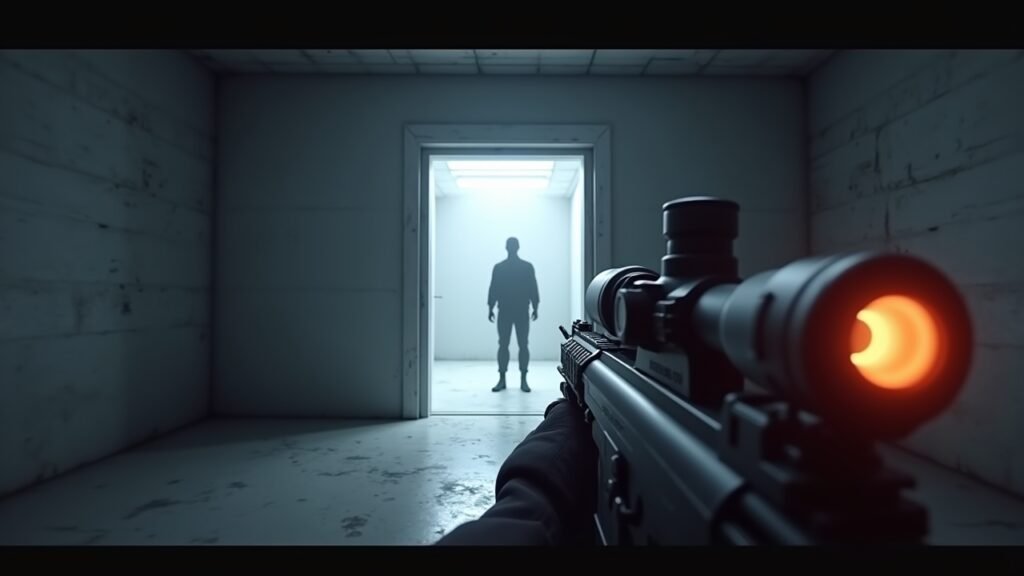
Here’s what nobody tells you when you start playing Valorant. Game sense and strategy are important, sure. But if you can’t click on heads, you’re gonna lose gunfights you should’ve won.
I remember this one match on Ascent where I had perfect positioning, knew exactly where the enemy was coming from, and still whiffed an entire magazine on a guy literally standing still. That was my wake-up call! The humiliation was real, and I knew something had to change because my Bronze lobbies were starting to feel like immortal players compared to my aim.
Valorant aim training isn’t just about raw mechanical skill though – it’s about building muscle memory, improving your reaction time, and developing consistency that carries over into ranked matches.
The Tools That Actually Worked For Me
Okay, so after doing a ton of research and wasting money on stuff that didn’t help, here’s what actually made a difference.
Aim Labs and Kovaak’s
Both of these aim trainers are solid. I personally started with Aim Labs because it’s free and has specific Valorant training scenarios. The interface is super clean, and you can track your progress over time which kept me motivated when I felt like I wasn’t improving.
After a few weeks, I also grabbed Kovaak’s during a Steam sale. Honestly? The scenarios feel a bit more polished, but Aim Labs does the job just fine if you’re on a budget.
The Range in Valorant
This one’s obvious but hear me out. I used to just hop into the range, shoot some bots for two minutes, and call it warmup. That’s not training, that’s just wasting time!
Now I spend at least 15-20 minutes doing structured practice. Medium bots, eliminate 50 with only headshots. Then I do the same thing while strafing. It sounds boring as heck, but this routine literally transformed my first-bullet accuracy.
My Daily Routine That Took Me From Hardstuck to Ranking Up
Alright, this is the part where I share what actually worked. No fluff, just the routine I still use almost every day before I queue up.
- 10 minutes of tracking drills – I use the Valorant tracking scenario in Aim Labs to work on keeping my crosshair on moving targets
- 5 minutes of flick training – Quick flicks to different points, focusing on accuracy over speed at first
- 15 minutes in the Valorant range – Headshot-only bot practice and some spray control exercises
- 5 minutes of deathmatch – This is where everything comes together in a real game scenario
Total time? About 35 minutes. I know that sounds like a lot, but honestly, I was already spending hours in ranked getting frustrated anyway.
The Mistake I Made (Don’t Do This)
For the first month, I was doing aim training but using a completely different sensitivity than my actual Valorant sens. Dumb, right? Make sure your sensitivity, DPI, and even your resolution match across all your training tools. I was basically training my muscle memory for nothing because the settings were different!
Crosshair Placement Changed Everything
This might sound weird, but aim training isn’t just about clicking fast. One day, my buddy who’s Diamond told me to record my gameplay and watch where my crosshair sits when I’m running around.
Turns out, I was constantly aiming at the floor or at chest level. When enemies peeked, I had to flick UP to get headshots, which added precious milliseconds to my reaction time. By consciously practicing keeping my crosshair at head level in deathmatch and even in my ranked games, my time-to-kill improved dramatically.
Now during my aim training sessions, I focus heavily on pre-aiming common angles and maintaining proper crosshair height. It’s become second nature, and honestly, it’s made a bigger difference than any flick training ever did.
Results Don’t Happen Overnight (But They Do Happen)
I’m not gonna lie and say I went from Bronze to Radiant or anything crazy like that. But after consistently doing aim training for about two months, I climbed from Bronze 2 to Gold 3. My headshot percentage went from like 15% to almost 28%, and I stopped being the teammate who everyone blamed for losing rounds.
The progress was slow at first. Some days I felt like I was getting worse! But looking back at my stats, the trend was clearly upward. That’s the thing about muscle memory – it builds gradually, and then suddenly one day you realize you’re winning duels you used to lose.
Your Journey Starts Now
Here’s the deal: Valorant aim training works, but only if you’re consistent and intentional about it. Don’t just mindlessly click on dots for an hour – have a plan, track your progress, and give it time.
Everyone’s different, so feel free to adjust these routines to what works for you. Maybe you need more tracking practice, or maybe your flicks are fine but your spray control needs work. Pay attention to where you’re dying in your ranked games and target those specific weaknesses.
And remember, there’s no magic routine that’ll turn you into TenZ overnight. It’s about showing up every day and putting in focused practice. Your future self (and your teammates) will thank you for it! If you found this helpful, head over to Glitch Lane for more gaming tips and guides that’ll help you level up your gameplay.