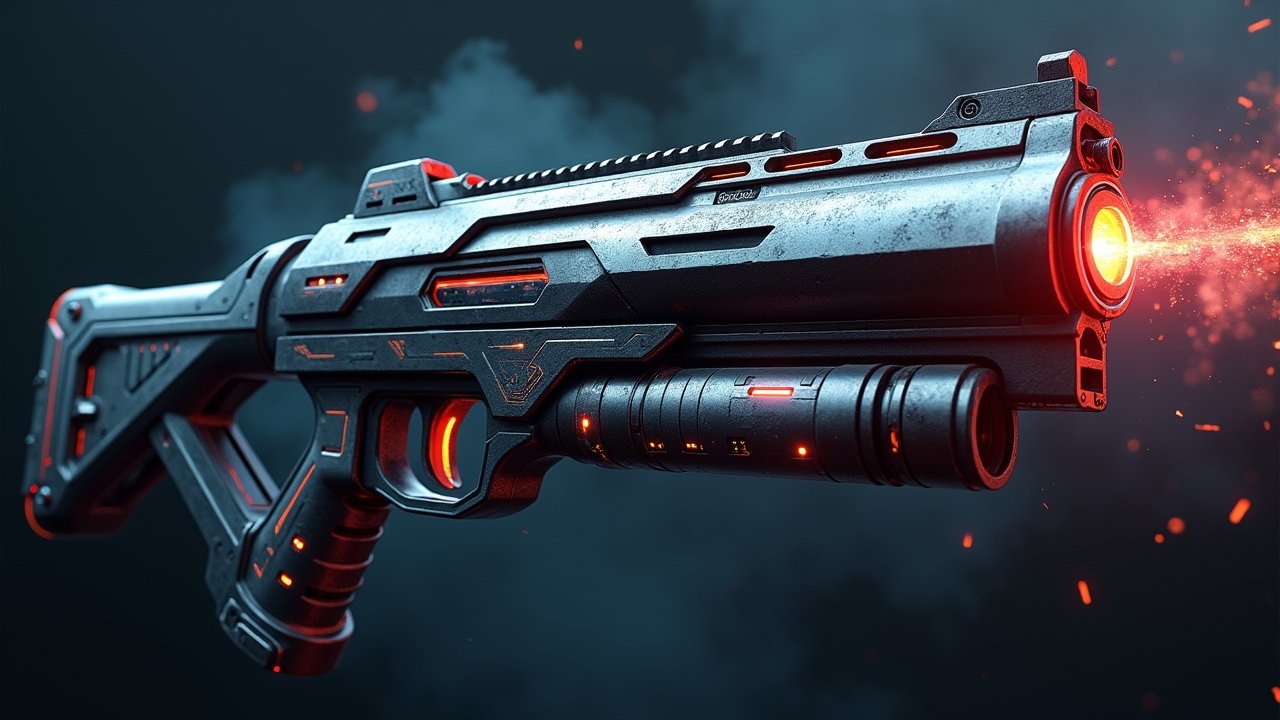
Atomic Heart Upgrades: How I Stopped Dying and Finally Started Having Fun
Advertisements
So here’s the thing — I spent my first five hours in Atomic Heart getting absolutely wrecked by every robot, mutant, and rogue vending machine the game threw at me. Turns out, I was ignoring the upgrade system like a complete fool. Once I finally sat down and figured out how the skill tree and weapon upgrades actually worked, the whole game changed for me!
If you’re struggling like I was, don’t worry. I’m gonna walk you through everything I learned about Atomic Heart upgrades so you can stop rage-quitting and start actually enjoying this wild Soviet fever dream of a game.
Understanding the Upgrade System Basics
The upgrade system in Atomic Heart revolves around two main things: your polymer glove abilities and your weapons. Both are upgraded at NORA stations, those creepy refrigerator-looking machines scattered throughout the game world. You’ll need various crafting materials and neuropolymer to unlock new skills and weapon modifications.
I made the mistake of spreading my resources too thin early on. Honestly, that was probably my biggest blunder. Focus on one or two skill branches and a couple of weapons instead of trying to upgrade everything at once — trust me on this one.
Best Polymer Glove Abilities to Upgrade First
Your glove powers are where the real magic happens. The Shok ability was been my absolute lifesaver, especially against robotic enemies. It stuns them, deals decent damage, and pairs beautifully with melee attacks for some devastating combos.
Here’s what I’d recommend prioritizing in the skill tree:
- Shok — Essential for crowd control and stunning mechanical enemies
- Frostbite — Freezes organic enemies solid, giving you breathing room
- Telekinesis (Mass Telekinesis upgrade) — Lets you yeet multiple enemies at once, which never gets old
- Polymeric Shield — A literal lifesaver during boss fights when you’re learning patterns
I slept on Frostbite for way too long because Shok felt so good. But once I hit the mid-game areas with those terrifying plant mutants, freezing them became non-negotiable.
Weapon Upgrades That Actually Matter
Now let’s talk guns and melee weapons. The Swede axe carried me through the early game, and upgrading its damage output and adding elemental cartridges made it viable for way longer than I expected. For ranged combat, the Dominator energy weapon is ridiculously efficient once you pump some upgrades into it.
Each weapon has a branching upgrade path at NORA stations. You can boost things like damage, fire rate, reload speed, and add elemental effects. My hot take? Always prioritize elemental damage mods because enemy weaknesses are a huge deal in this game, especially on harder difficulties.
One thing that tripped me up — you can actually respec your upgrades at NORA stations and get your materials back. I wish someone had told me that about ten hours sooner. So don’t stress too much about making the “wrong” choice.
Farming Materials Without Losing Your Mind
You’re gonna need a ton of crafting resources. The scanner on your glove highlights lootable containers, so use it constantly. I got into the habit of scanning every single room before moving on, and it made a massive difference in my upgrade pace.
Also, don’t skip the testing grounds — those optional dungeons scattered across the open world. They’re packed with neuropolymer and rare crafting components. Some of them are genuinely challenging puzzle-wise, but the rewards are absolutely worth it.
For a solid visual walkthrough of the upgrade system, check out this helpful video:
Atomic Heart – Best Upgrades & Skills Guide on YouTube
Go Experiment and Break Some Robots
Look, the beauty of Atomic Heart’s upgrade system is that it rewards experimentation. Since you can respec freely, there’s really no penalty for trying weird ability combos or dumping resources into a weapon that looks fun. My favorite combo ended up being Frostbite plus a fully upgraded shotgun — something I never would’ve tried if I hadn’t been messing around.
Every player’s gonna have a different style, so take my suggestions as a starting point and make them your own. And if you’re hungry for more tips, guides, and deep dives into games like this, swing by Glitch Lane — we’ve got plenty more where this came from!